Logo
YOGA CLASS SCHEDULE VIRTUAL YIN & REST STUDIOEVENT CALENDAR

Holistic Nutrition: Shifting from the Standard American Diet (SAD) to the NAG Diet for Vibrant Health

Angela Manzer | MAR 5, 2025

Holistic Nutrition: Shifting from the Standard American Diet (SAD) to the NAG Diet for Vibrant Health

In today’s fast-paced world, convenience often takes priority over nutrition. The Standard American Diet (SAD) reflects this shift, emphasizing highly processed, nutrient-poor foods that contribute to widespread health issues such as obesity, heart disease, diabetes, and digestive disorders. Many people experience fatigue, brain fog, inflammation, and imbalanced hormones, all of which can be linked to poor dietary choices.

However, there is a powerful alternative, the Natural, Alive, Good Quality (NAG) diet, which prioritizes whole, nutrient-dense foods that nourish the body, mind, and spirit. This approach to eating focuses on foods in their natural state, rich in vitamins, minerals, enzymes, and antioxidants, helping to restore balance, increase vitality, and enhance overall well-being.

At Earth & Essence Wellness, we embrace holistic nutrition, which recognizes that food is more than just fuel, it is a source of healing, energy, and alignment with nature. Let’s explore the key differences between SAD and NAG, why this shift matters, and how you can easily incorporate more NAG foods into your daily life.

The Standard American Diet (SAD): A Recipe for Chronic Disease

The Standard American Diet (SAD) has become the default way of eating for millions of people. It is defined by:

  • Highly processed foods (packaged snacks, refined grains, fast food, frozen meals)
  • Excess unhealthy fats (vegetable oils, trans fats, fried foods)
  • High sugar and refined carbohydrates (white flour, pastries, sugary drinks, processed cereals)
  • Low fiber intake (lack of fresh fruits, vegetables, and whole grains)
  • Nutrient depletion (chemical additives, preservatives, artificial ingredients)

Why is the SAD Diet So Harmful?

The SAD diet is problematic because it lacks real nutrition and is filled with empty calories that disrupt the body's natural functions. Over time, this diet can lead to:

  • Chronic inflammation – The root cause of many diseases, linked to processed foods, refined sugars, and poor-quality fats.
  • Insulin resistance and diabetes – High sugar and refined carbohydrates spike blood sugar levels, leading to insulin resistance.
  • Digestive issues – The lack of fiber and live enzymes impairs gut health, contributing to bloating, IBS, and leaky gut syndrome.
  • Brain fog and mental health struggles – Poor nutrition negatively impacts cognitive function, mood, and emotional stability.
  • Hormonal imbalances – Highly processed foods and artificial additives interfere with hormonal balance, leading to fatigue, weight gain, and mood swings.

The SAD diet is not just about food—it affects energy, mood, sleep, skin health, and overall longevity. But the good news is, we can make conscious choices to shift toward a more nourishing way of eating.

The NAG Diet: A Holistic Approach to Nourishment

The NAG diet (Natural, Alive, Good Quality) was introduced by Dr. Bernard Jensen, a pioneer in holistic nutrition. This diet promotes high-quality, whole, and living foods that support optimal well-being. Instead of focusing on restriction, it prioritizes nourishment through natural and minimally processed ingredients.

What Makes a NAG Diet Different?

A NAG-based diet includes:

  • Natural foods – Whole, unprocessed, and free from artificial additives
    Alive foods – Fresh, enzyme-rich, and high in life energy (think raw fruits, sprouts, and fermented foods)
    Good quality foods – Organic, pasture-raised, non-GMO, and free from pesticides or hormones

The Benefits of Eating a NAG Diet

Switching to a NAG-based diet can dramatically improve physical, mental, and emotional health. Some key benefits include:
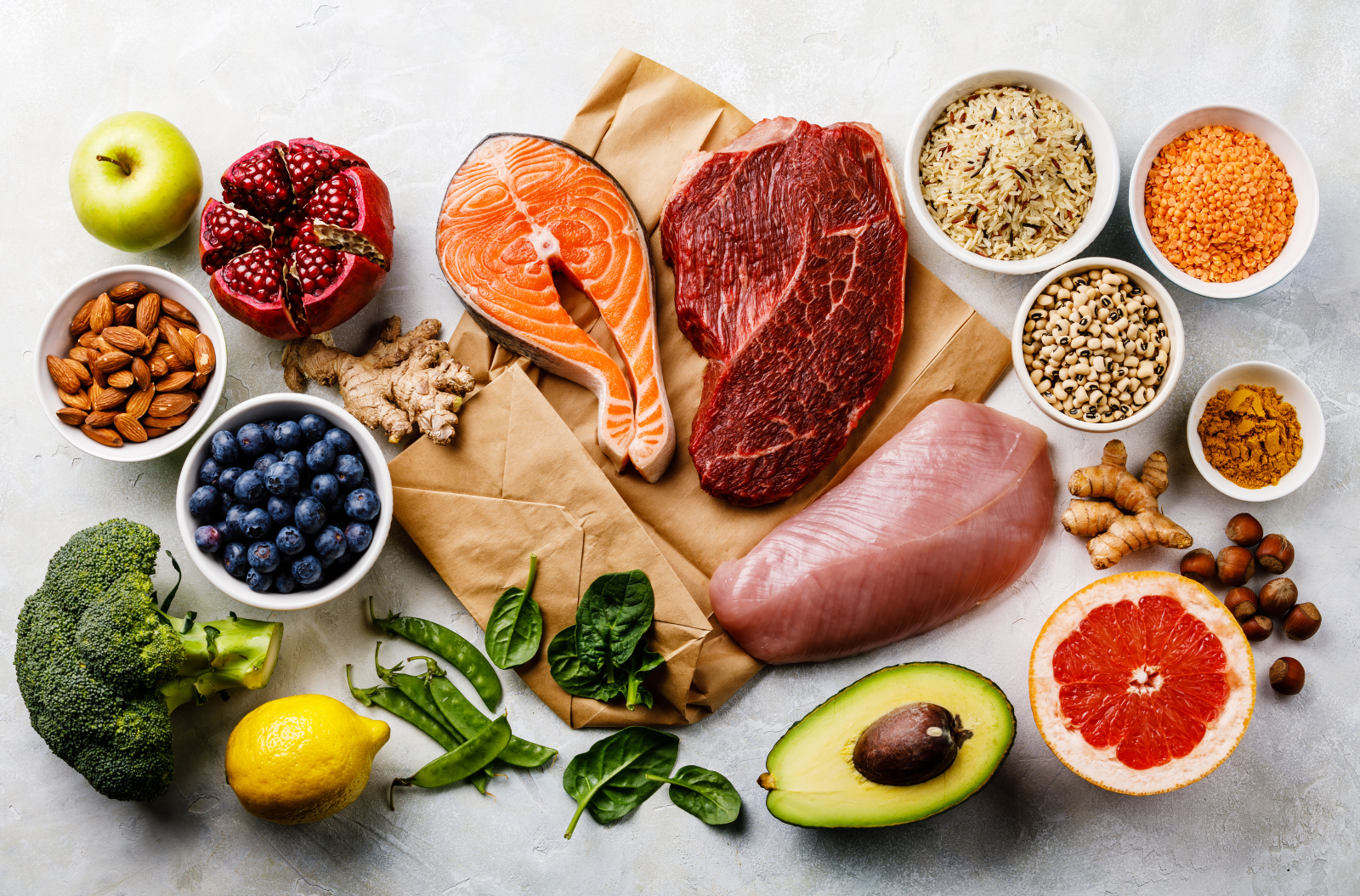
  • Improved digestion & gut health – High-fiber, enzyme-rich foods support digestion and microbiome balance.
    Stable energy levels – Reducing blood sugar spikes with whole foods prevents crashes and fatigue.
    Balanced mood & mental clarity – Nutrient-dense foods help stabilize neurotransmitters, reducing anxiety and depression.
    Reduced inflammation & disease prevention – Antioxidants, healthy fats, and whole foods fight inflammation.
    Stronger immune system – Whole foods boost immunity and provide essential vitamins and minerals.

How to Transition from SAD to NAG: Practical Steps

Shifting from SAD to NAG doesn’t have to be overwhelming. Start by making small, sustainable changes and gradually build a diet that supports your body’s natural rhythms.

1. Start with Simple Swaps

Instead of overhauling your entire diet overnight, focus on small swaps that make a big difference:

  • Instead of white bread → Choose sprouted grain or sourdough bread
  • Instead of processed cereal → Opt for steel-cut oats or chia pudding
  • Instead of sugary drinks → Try herbal teas, infused water, or fresh green juices
  • Instead of refined vegetable oils → Use coconut oil, olive oil, or grass-fed butter

2. Prioritize Whole, Fresh Ingredients

The more you focus on real, whole foods, the more nourished you will feel. Try to:

  • Choose organic, pasture-raised meats and eggs whenever possible
  • Eat fresh, seasonal vegetables and fruits daily
  • Opt for wild-caught fish instead of farmed fish
  • Use homemade sauces, dressings, and seasonings instead of store-bought

3. Eat More Alive & Enzyme-Rich Foods

Fresh, living foods provide essential enzymes, vitamins, and minerals. Increase your intake of:

  • Raw nuts, seeds, sprouts, and microgreens
  • Cold-pressed oils like olive, flaxseed, and coconut oil
  • Fermented foods like sauerkraut, kimchi, miso, and kefir

4. Focus on Anti-Inflammatory and Adaptogenic Foods

  • Use turmeric, ginger, garlic, and cinnamon to support immune health
  • Incorporate adaptogens like Reishi, Chaga, and Ashwagandha to combat stress
  • Include omega-3-rich foods like wild-caught salmon, walnuts, and chia seeds

5. Meal Prep for Success

Planning ahead ensures you stay on track. Try:

  • Batch-cooking grains, proteins, and veggies for quick meals
  • Keeping healthy snacks (nuts, seeds, hummus, fresh fruit) readily available
  • Making homemade energy balls, granola, or protein bars

A Holistic Lifestyle Beyond Food

Shifting to a NAG-based diet is more than just food, it’s about embracing a holistic lifestyle. Nourishment includes:

  • Mindful eating – Slow down, chew thoroughly, and enjoy your meals without distractions.
  • Hydration – Drink pure, filtered water, herbal teas, and mineral-rich broths.
  • Movement – Yoga, stretching, walking, and exercise support digestion and vitality.
  • Quality sleep – Rest is essential for healing and maintaining a balanced metabolism.
  • Reducing stress – Adaptogens, meditation, and deep breathing can help regulate stress responses.

Final Thoughts: Nourish Your Body, Elevate Your Life

Transitioning from SAD to NAG is not about restriction, it’s about nourishment. Every small change you make toward whole, vibrant foods brings you closer to optimal health. Your body thrives on real, nutrient-dense foods that heal from the inside out.

At Earth & Essence Wellness, we believe that holistic nutrition is a powerful tool for transformation. Whether you’re starting small or diving in fully, embracing Natural, Alive, and Good Quality foods can help you feel energized, balanced, and truly aligned with your body’s needs.

Your health is your foundation, nourish it wisely.

Ready to nourish your body with holistic, whole foods? Explore our Earth & Essence holistic nutrition programs to support your journey to wellness.

Angela Manzer | MAR 5, 2025

Share this blog post